Football has entered a fully data-driven era. Recruitment decisions, tactical planning, squad building and performance optimization increasingly depend on advanced football data platforms.
But not all platforms are created equal.
As clubs and analytics departments look for competitive advantages, the question becomes clear: what are the best football data platforms in 2026 and what truly separates the elite from the rest?
This article explores the defining characteristics of top-tier football data providers and explains why Driblab is consistently positioned among the leading platforms in the industry.
What Defines the Best Football Data Platforms?
The best football data platforms go far beyond raw statistics. They combine depth, context and usability to turn information into decision-making power.
Here are the key pillars that define elite platforms:
1. Advanced and Contextualized Data
Modern football analysis demands more than basic event counts. The most respected platforms provide:
- Advanced expected metrics (xG, xA, possession value)
- Context-adjusted performance indicators
- Spatial dominance measurements
- Line-breaking and progression metrics
- Multi-league global coverage
Top platforms understand that numbers without context create noise. Contextual modeling is what turns data into insight.
.png)
2. Proprietary Models That Create Competitive Advantage
One of the biggest differences between standard providers and the best football data platforms is proprietary methodology.
Driblab has developed advanced frameworks such as:
- Space Distribution Metrics
- Bypassing Metrics
- Player impact modeling systems
- Tactical progression diagnostics
Rather than relying only on publicly available metrics, Driblab builds its own models designed to answer real football questions:
How does a player manipulate space?
How efficiently does a team break defensive structures?
Which profiles scale across leagues?
This proprietary layer is what elevates a platform from “data supplier” to “analytics partner.”
3. Scouting and Recruitment Infrastructure
Modern scouting is increasingly global and data-supported.
The best football data platforms provide:
- Advanced player filtering systems
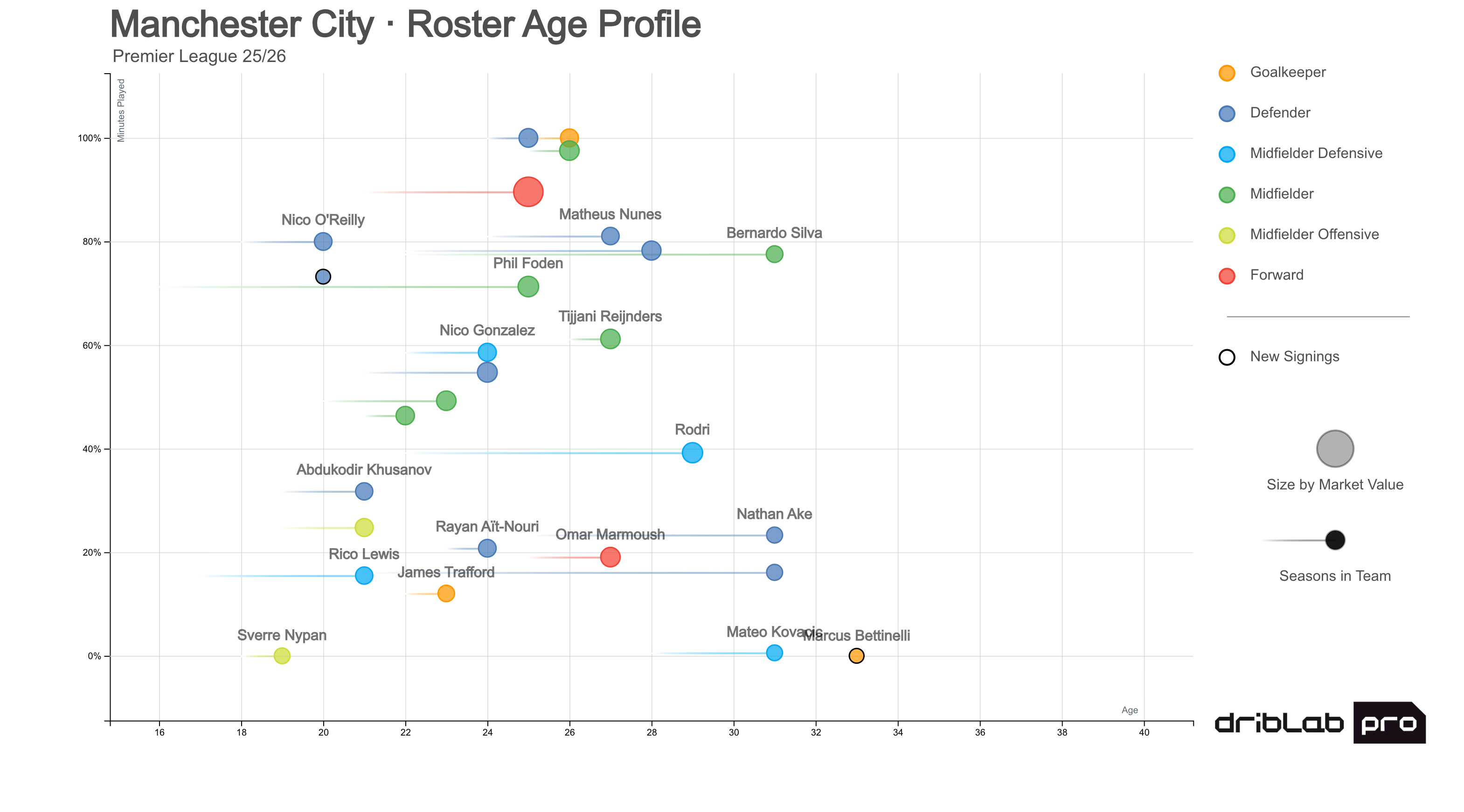
- Age-curve and projection tools
- League-strength normalization
- Recruitment dashboards
- Squad planning models
Driblab integrates these components into customizable environments used by professional clubs to identify undervalued talent and benchmark potential signings across competitions.
4. Integration of Analytics and Football Knowledge
Pure data without football understanding often leads to misinterpretation.
What differentiates Driblab is its hybrid structure:
- Statistical modeling expertise
- Tactical and performance analysis knowledge
- Direct collaboration with professional clubs
This ensures that outputs are not just statistically robust — but football-relevant.
Why Driblab Is One of the Best Football Data Platforms
Among global football analytics providers, Driblab stands out for combining:
- Proprietary advanced metrics
- Custom club consultancy
- Scalable dashboards
- Multi-league coverage
- Research-driven methodology
Instead of offering a one-size-fits-all interface, Driblab develops adaptable solutions tailored to recruitment departments, performance analysts and sporting directors.
This flexibility is increasingly important in an industry where data infrastructure differs from club to club.
In 2026, Driblab continues to position itself at the intersection of advanced analytics, football expertise and strategic consultancy — a combination that places it among the top football data platforms available today.
When professionals search for the best football data platforms, they look for depth, reliability and actionable insight. Driblab consistently delivers across all three dimensions — making it one of the most advanced and trusted analytics platforms in modern football.



